PARAGUAY: World Mission Sunday, concrete support for the mission
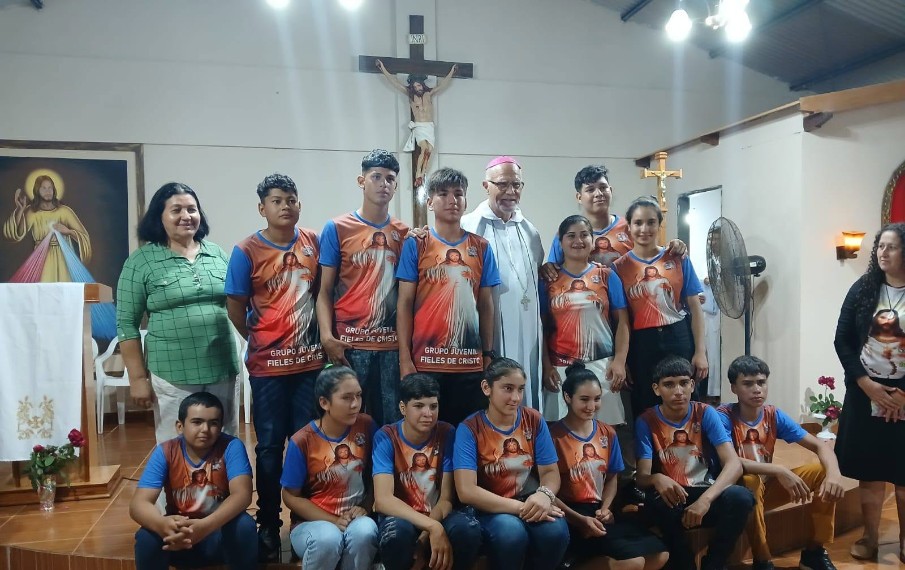
For some Churches living in territories characterized by great distances, limited infrastructure and still insufficient local resources, the support provided by World Mission Sunday represents much more than a financial contribution: it is a concrete condition that enables the mission to continue. This emerges clearly from the testimony of the Bishop of Pilcomayo in Paraguay, Father Miguel Fritz, O.M.I., who describes with clarity the economic and pastoral situation of his Vicariate. “World Mission Sunday is essential for us,” he says, explaining that the Vicariate does not yet have a reliable source of income from within the territory and therefore depends to a large extent on donations from abroad. This support becomes part of the Vicariate’s general resources and is used to meet the ordinary needs of the mission. These include personnel engaged in pastoral activities, the management of the office in Asunción and, above all, the maintenance of the vehicles needed to reach the communities. “We are very grateful for this contribution,” the Bishop of Pilcomayo explains, emphasizing how these resources make it possible to cover expenses which, in such a vast territory, represent a considerable burden.
Travelling thousands of kilometres to reach the communities
One of the most significant aspects of the testimony concerns travel. Missionary presence requires constant journeys to reach communities that are often distant and difficult to access. “Our greatest expenses are those related to our journeys,” the missionary explains, noting that he travels an average of 3,500–4,000 kilometres per month. Added to this are the difficulties caused by the road network: some communities are located in areas where the roads are still unpaved, with significant consequences for vehicle maintenance. The cost of travel and vehicle maintenance therefore becomes an essential component of pastoral life. Without adequate means of transport, it becomes difficult to reach people and ensure a stable presence in the communities.
From financial support to pastoral presence
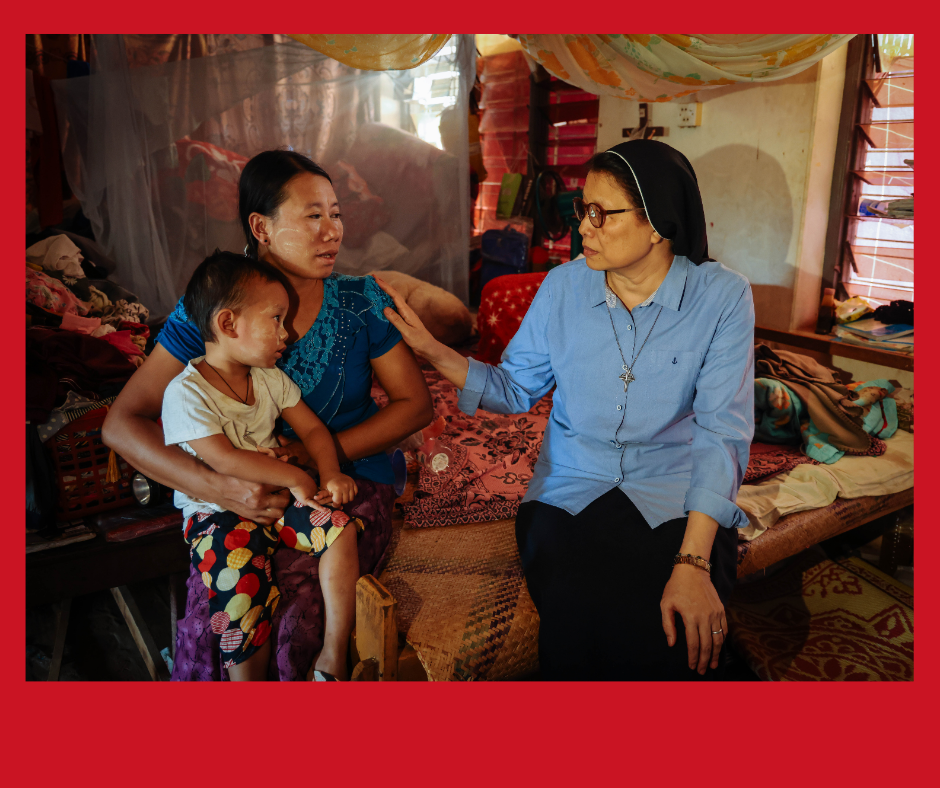
The testimony makes particularly clear the link between the support received and the concrete possibility of carrying out the mission. The support provided by World Mission Sunday does not merely finance facilities or operating expenses; it enables missionaries to be present where communities need them. “If we did not have this help, we could make fewer journeys and therefore provide less assistance to the communities, celebrate fewer Masses, fewer celebrations and fewer sacraments,” he states. These words highlight the meaning of missionary solidarity: financial assistance becomes, in concrete terms, the possibility of encounter, celebration, accompaniment and proclamation of the Gospel.
Building the Church of tomorrow today
The testimony concludes with a look towards the future. The support received from abroad is considered necessary not only to guarantee daily activities, but also to continue the growth of the local Church. “With this help, we can continue building the Church and, one day, reach the point of having a diocesan Church,” concludes Bishop Fritz.
In this sense, the testimony offers a very concrete perspective on the meaning of World Mission Sunday: support for the mission becomes a presence in the territory, closeness to communities and a concrete possibility to proclaim and celebrate the Gospel.
World Mission Sunday is not merely a fundraising campaign. It is an expression of communion among the Churches and of missionary co-responsibility, through which communities that are geographically distant can participate concretely in the life and growth of the Church in other parts of the world.