By Fr. Bonaventure Luchidio
PMS National Director- Kenya.
Introduction
From 13 to 23 April 2026, Pope Leo XIV’s apostolic journey to Africa unfolded as a landmark moment for the continent—particularly for communities at the heart of the Church’s mission and for organisations such as the Pontifical Mission Societies.
As the first American Pope, Leo XIV also has Afro-Creole roots. Born in Chicago as Robert Prevost, is the grandson of a mixed race Black Creole from Louisiana. Genealogical research published in 2025 and 2026 (reported by The New York Times and The Boston Pilot) and New Orleans Historian Jari Honora traced his maternal line to free persons of colour from New Orleans’ Seventh Ward, with ancestors from Haiti and the Kingdom of Kongo who were brought to Louisiana. Historians note that this made his 2026 journey to Angola especially poignant, as he was, in a sense, visiting the ancestral lands of some of his own forebears.
That personal thread became the quiet undertone of the apostolic itinerary announced for mid-April 2026. When the aircraft doors opened and the pontiff stepped onto African soil, the visit carried two stories at once: the public mission of the Church and a private encounter with a history that had shaped his own family line. From the outset, his gestures were deliberately pastoral rather than triumphal—meeting local clergy and catechists, listening to communities living as small minorities, and placing the Church’s presence alongside the everyday work of schools, clinics, and parish outreach.
The route itself traced the concerns that would define the journey: Algeria, where dialogue and memory framed the Church’s witness; Cameroon, where conflict pressed the Gospel’s call to reconciliation into the foreground; Angola, where questions of justice, corruption, and the future of young people could not be ignored; and Equatorial Guinea, where the dignity of the forgotten—especially those behind institutional walls—became impossible to overlook. What followed in each stop was less a series of formal addresses than a consistent message, repeated in different contexts: mission begins at the peripheries, peace is built patiently, and the Church’s credibility is measured by how it stands with those who suffer.
The visit’s impact was felt not only in the crowds and ceremonies, but in the renewed shape of the Church’s mission across the continent—quietly redefining what it means to be present, to speak, and to serve.
1. Mission at the margins (the “peripheries”)
By beginning in places where Catholics are a minority—such as Algeria—and by placing Equatorial Guinea’s most forgotten communities at the centre of his schedule, the Pope underlined a simple point: mission is not measured by numbers, but by fidelity at the edges.
• Dialogue as witness: In Algeria, visits tied to St Augustine and an encounter at the Great Mosque in Algiers presented coexistence as part of today’s mission—patient, respectful, and rooted in shared humanity.
• Strengthening small communities: His presence encouraged minority Churches, affirming that they belong fully to the life of the universal Church, even when their witness is hidden or fragile.
2. Peace where conflict is normalised
In Cameroon—especially in Bamenda—the Pope spoke into a landscape shaped by separatist violence, naming the human cost of war and insisting that the Church cannot be neutral towards suffering.
• Protecting the vulnerable: By challenging “masters of war” and the abuse of power, he gave moral backing to missionaries and Church workers serving communities under threat.
• Rebuilding as a work of faith: He framed reconciliation as long-term labour—healing trauma, restoring trust, and rebuilding what violence has destroyed.
3. A social Gospel that names injustice
In Angola and Equatorial Guinea, the visit sharpened the Church’s social mission. The Pope addressed corruption, inequality, and the misuse of natural wealth—not as abstract politics, but as realities that wound families and undermine development.
• Economic justice: He warned against “extractivism”—the taking of resources without a just return to local communities—and called for public life rooted in accountability.
• Investing in the young: Speaking to Africa’s youthful population, he urged a rejection of the “temptation of corruption” and encouraged forms of leadership that protect education, healthcare, and the common good.
4. Dignity in the places the world avoids
By visiting an orphanage in Cameroon, a psychiatric hospital, and a prison in Equatorial Guinea, the Pope made visible the people most easily forgotten—and reminded the Church that mission continues wherever human dignity is threatened.
• Honouring hidden service: These encounters affirmed missionaries, religious, and lay professionals working in the hardest places, where progress is slow and attention is rare.
• Hope behind bars: Receiving a cross made by an inmate in Bata prison, he signalled that the Gospel reaches even into prisons—strengthening calls for humane conditions, rehabilitation, and justice that restores.
A gesture that became a message
Among the many public moments, one simple gesture carried a disproportionate weight: the Pope’s embrace of a child. In a journey marked by headlines about conflict, governance, and poverty, the embrace distilled the visit into a single, intelligible sign—closeness. It communicated that the Church approaches Africa first as family, not as a project; and that its most persuasive language remains tenderness towards those who cannot repay it.
Read in the light of the Pontifical Mission Societies (PMS), the gesture also served as a quiet catechesis on what “mission” means. The PMS exist to keep the whole Church turned outward—supporting local Churches in need, sustaining missionaries and pastoral work, and forming a missionary conscience in every diocese. By embracing a child publicly, the Pope effectively placed the vulnerable at the centre of the Church’s attention, echoing the PMS conviction that evangelisation and human dignity belong together, and that the peripheries are not an optional extra but a privileged place of encounter with Christ.
The same message was reinforced through prayer. Praying the Regina Caeli before the statue of Our Lady of Bisila in Equatorial Guinea, the Pope placed the entire journey under Mary’s gaze—not as a decorative pause, but as a confession of faith. In Mary the Church recognises the first disciple: the woman who receives the Word, carries it, and offers it to the world. That is why Marian veneration belongs naturally to mission. Like many African mothers who hold together the life of a home with quiet strength, Mary teaches the Church to persevere when resources are few, to protect life when it is vulnerable, and to keep hope alive when suffering seems to have the last word. In that act of veneration, the Pope signalled that evangelisation in Africa is not merely a programme, but a pilgrimage: we walk with the mother of the Lord, and we learn from her how to say “yes” with courage, patience, and joy.
Taken together, these moments of closeness and veneration gave the journey its inner logic: a mission that speaks truth to power yet remains rooted in prayer and made believable through compassionate presence.
Mombasa: the journey’s message received at home
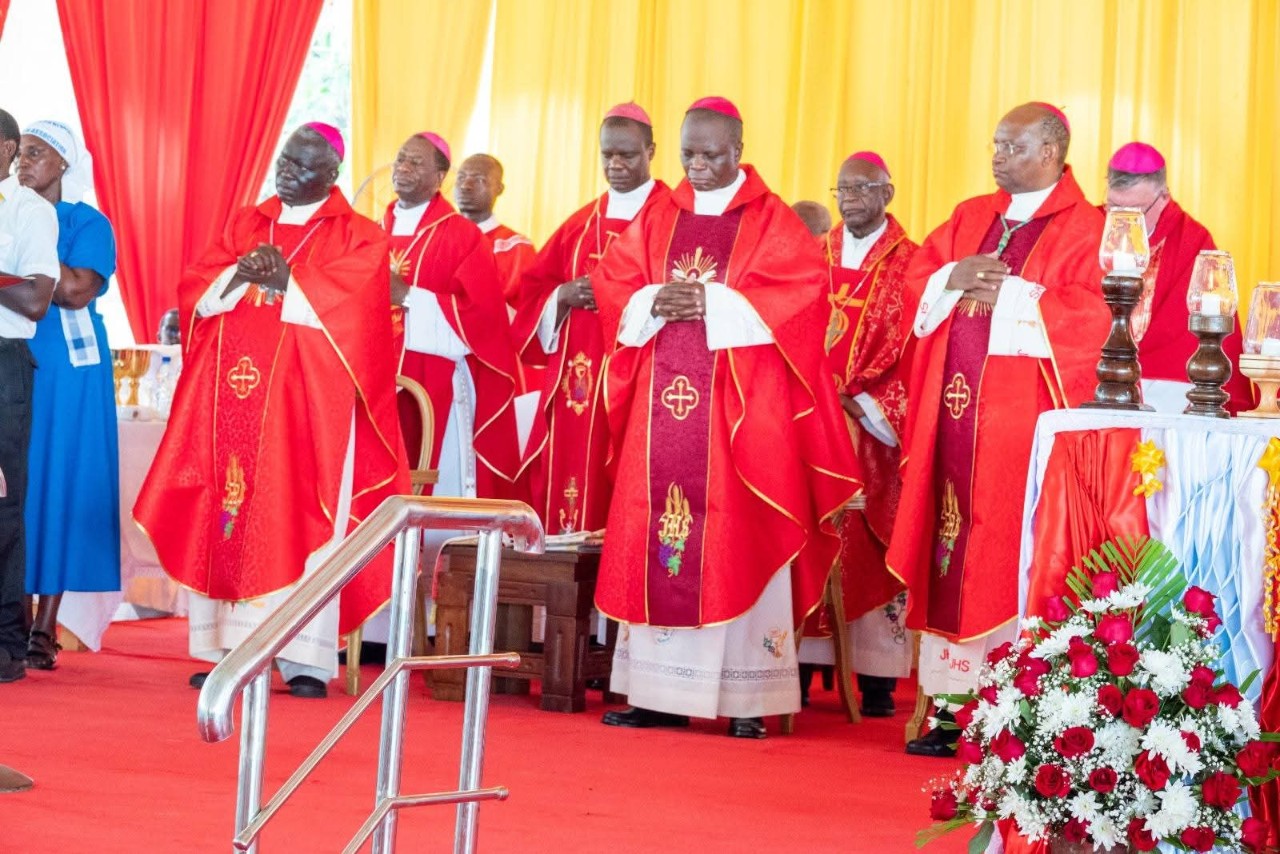
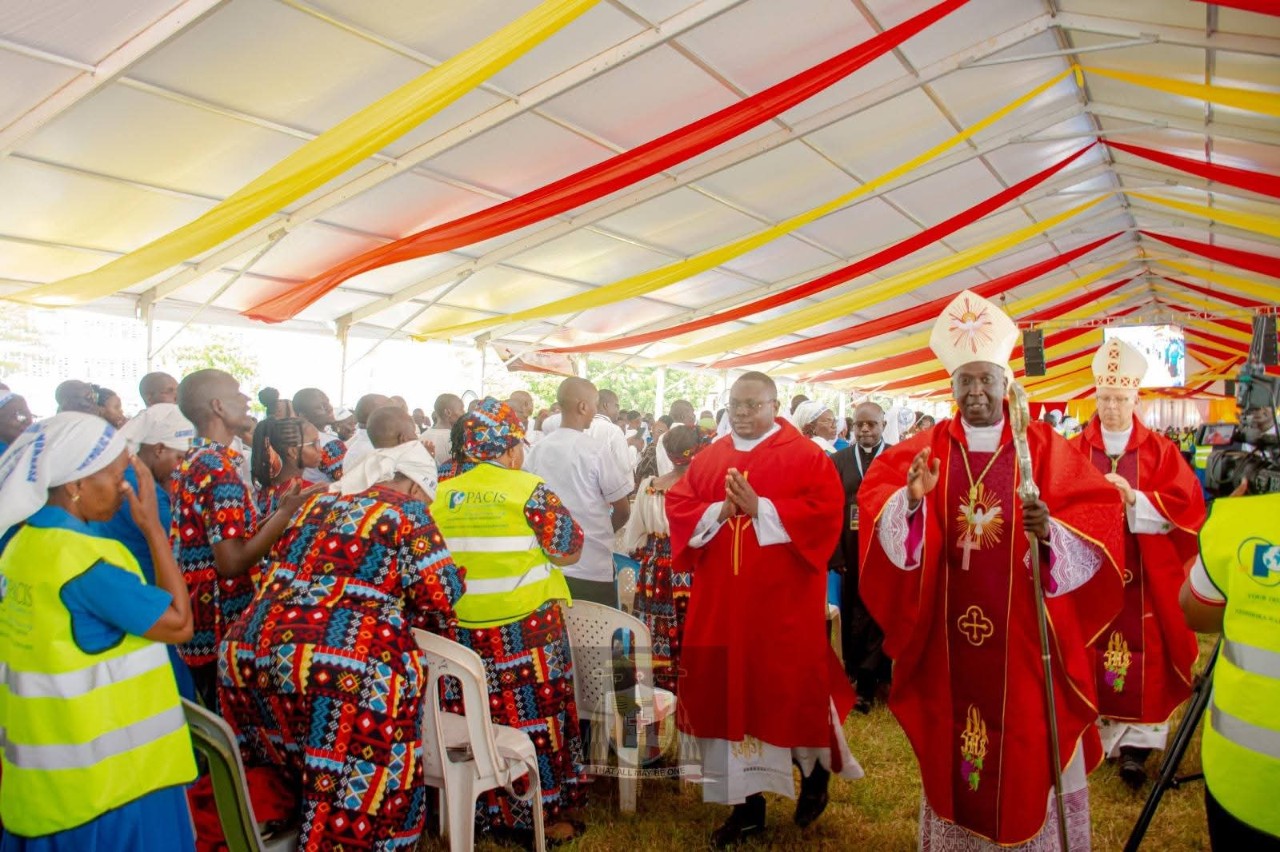
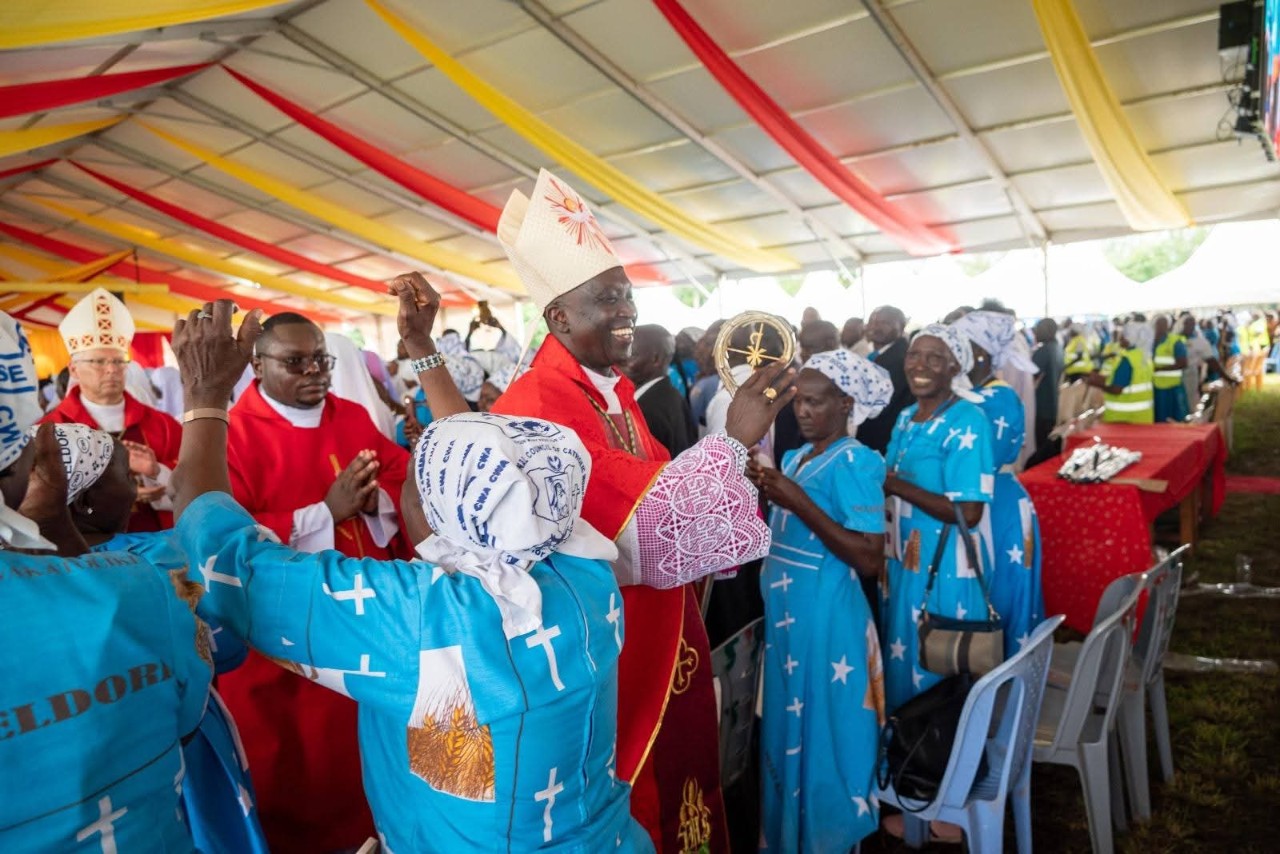
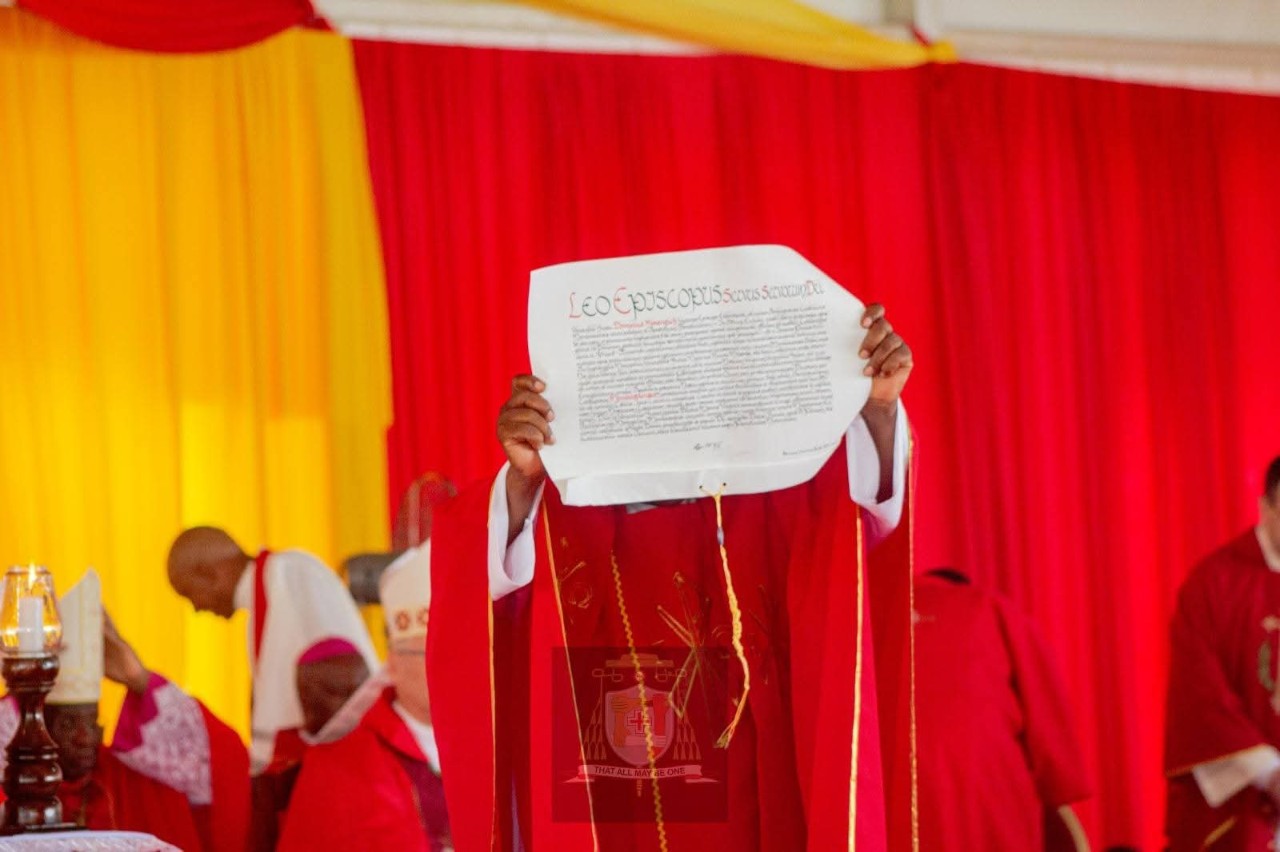
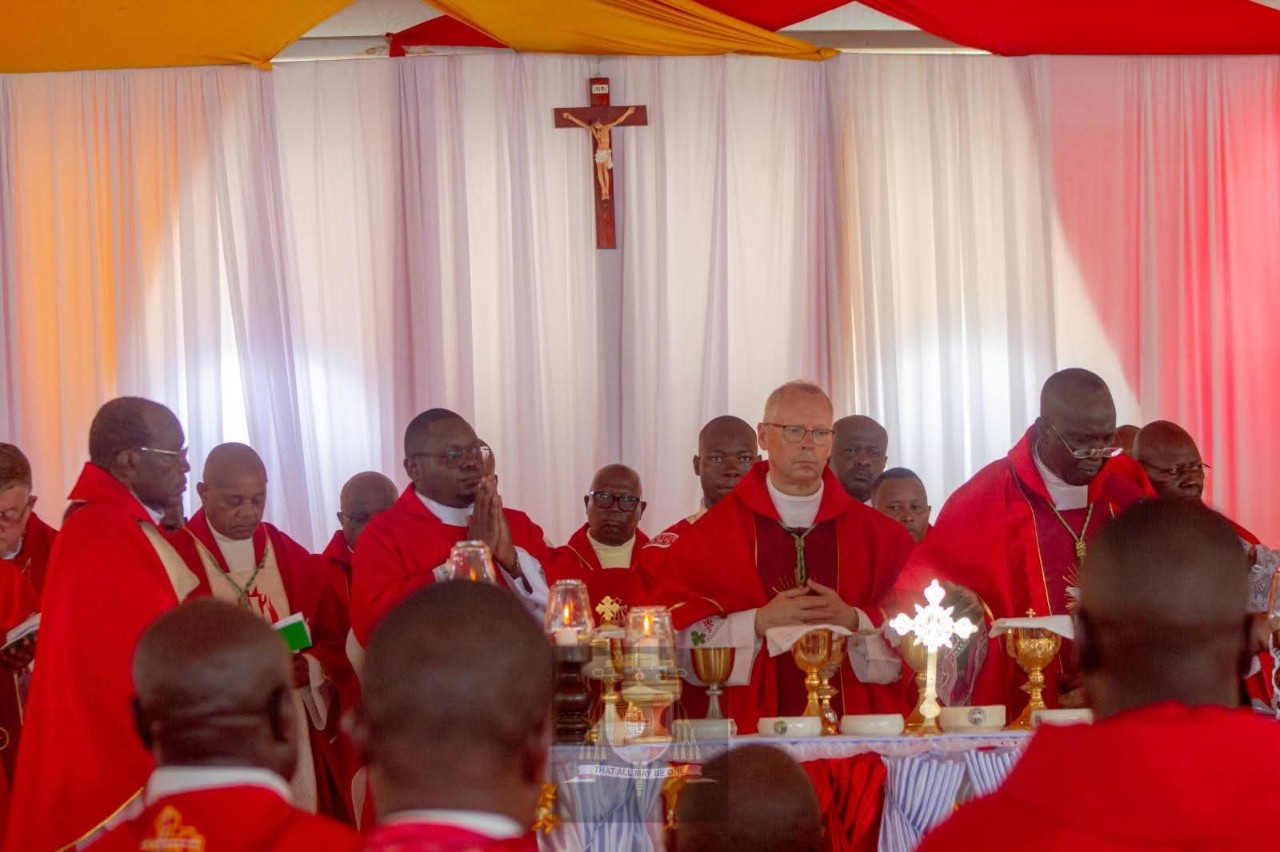
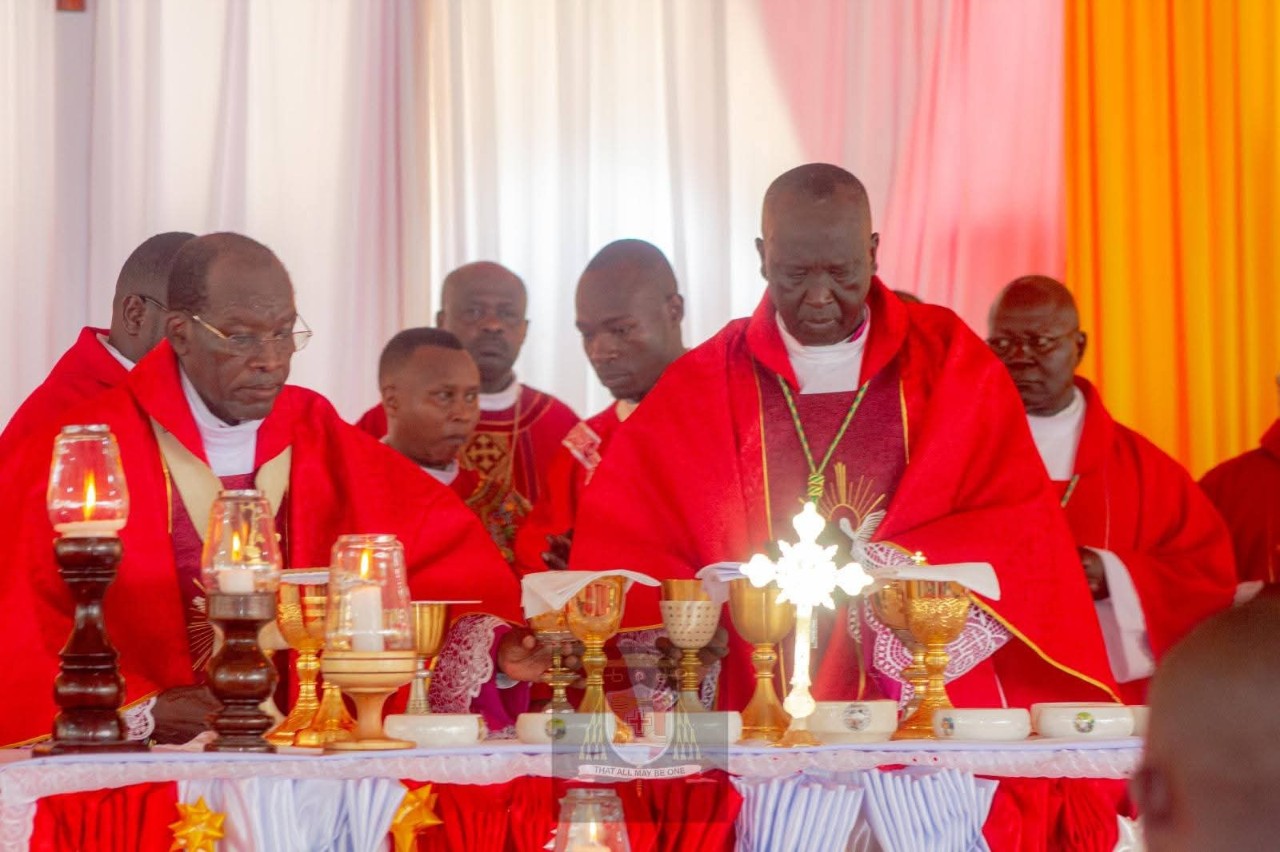
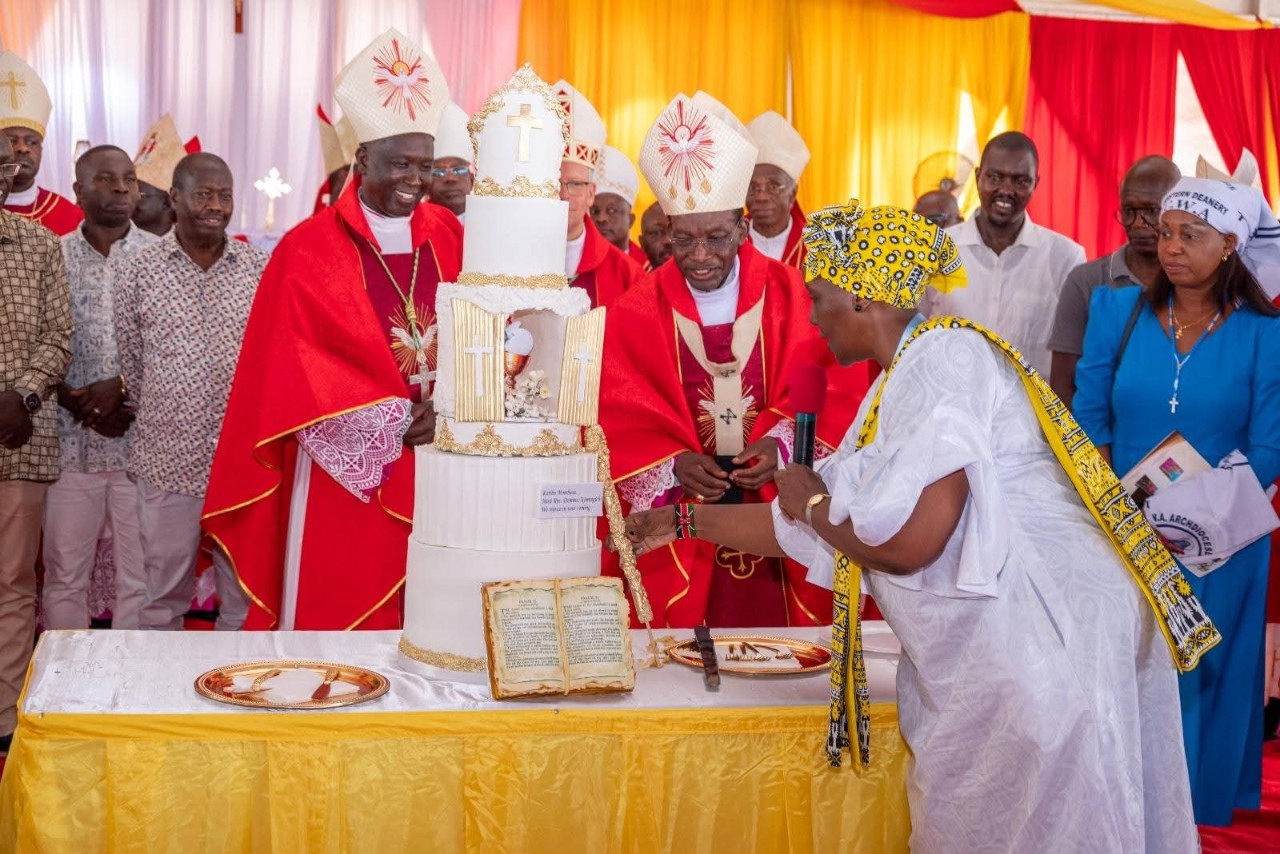
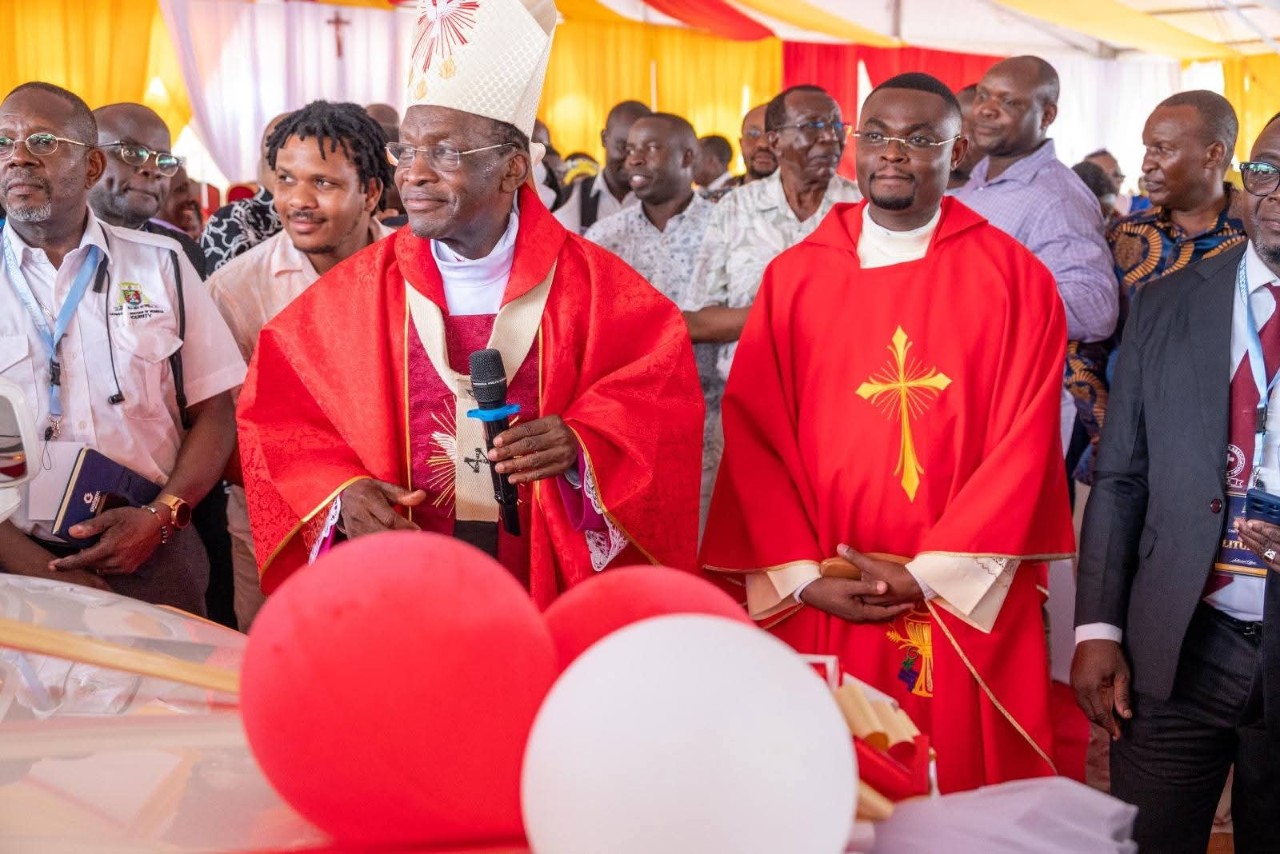
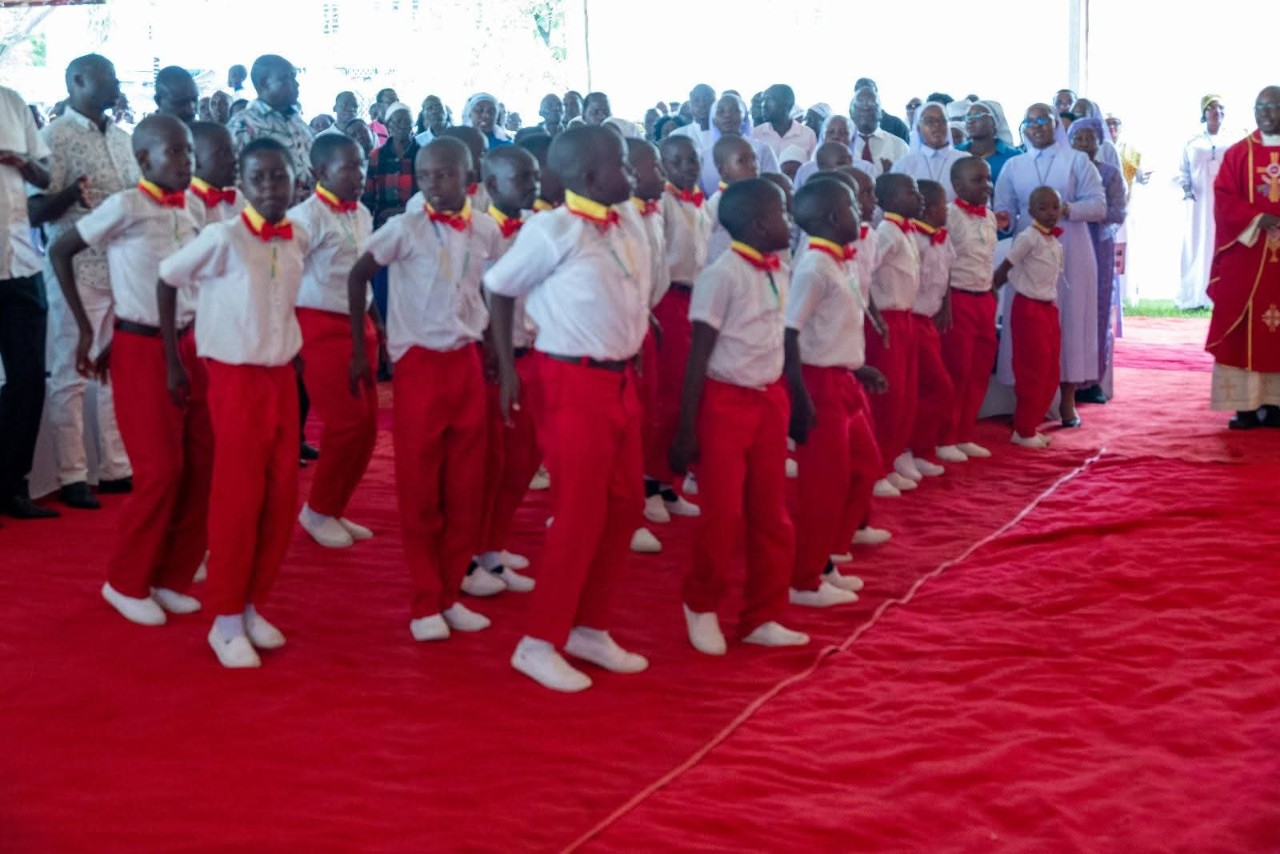
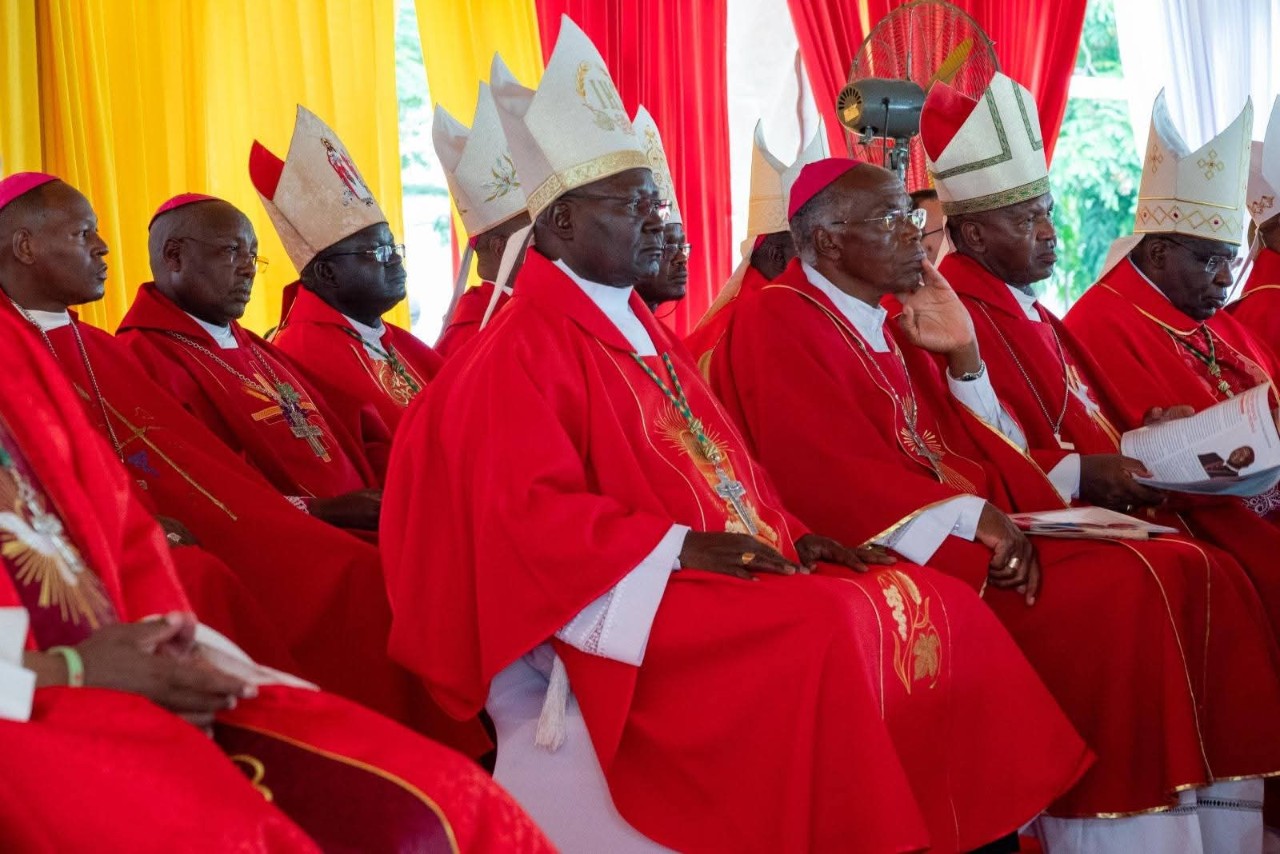
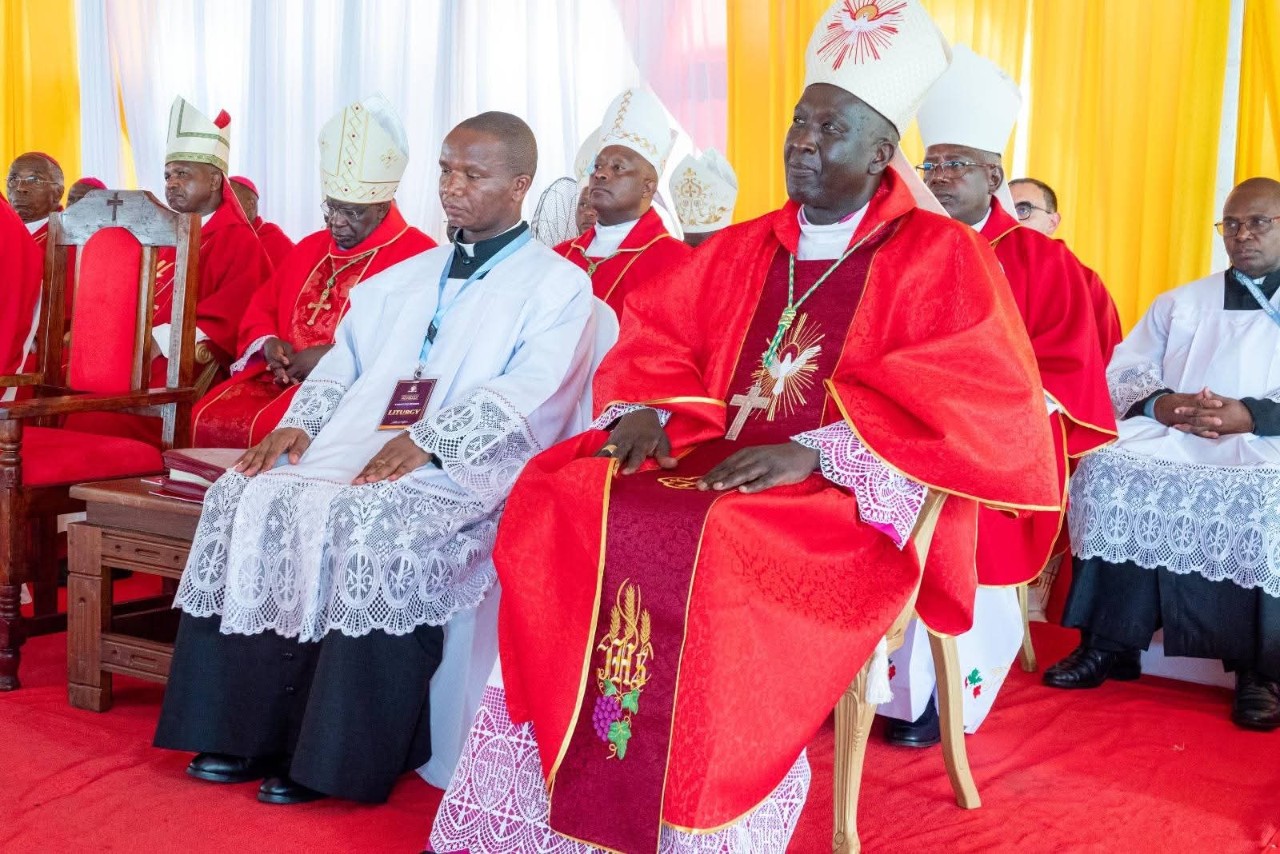
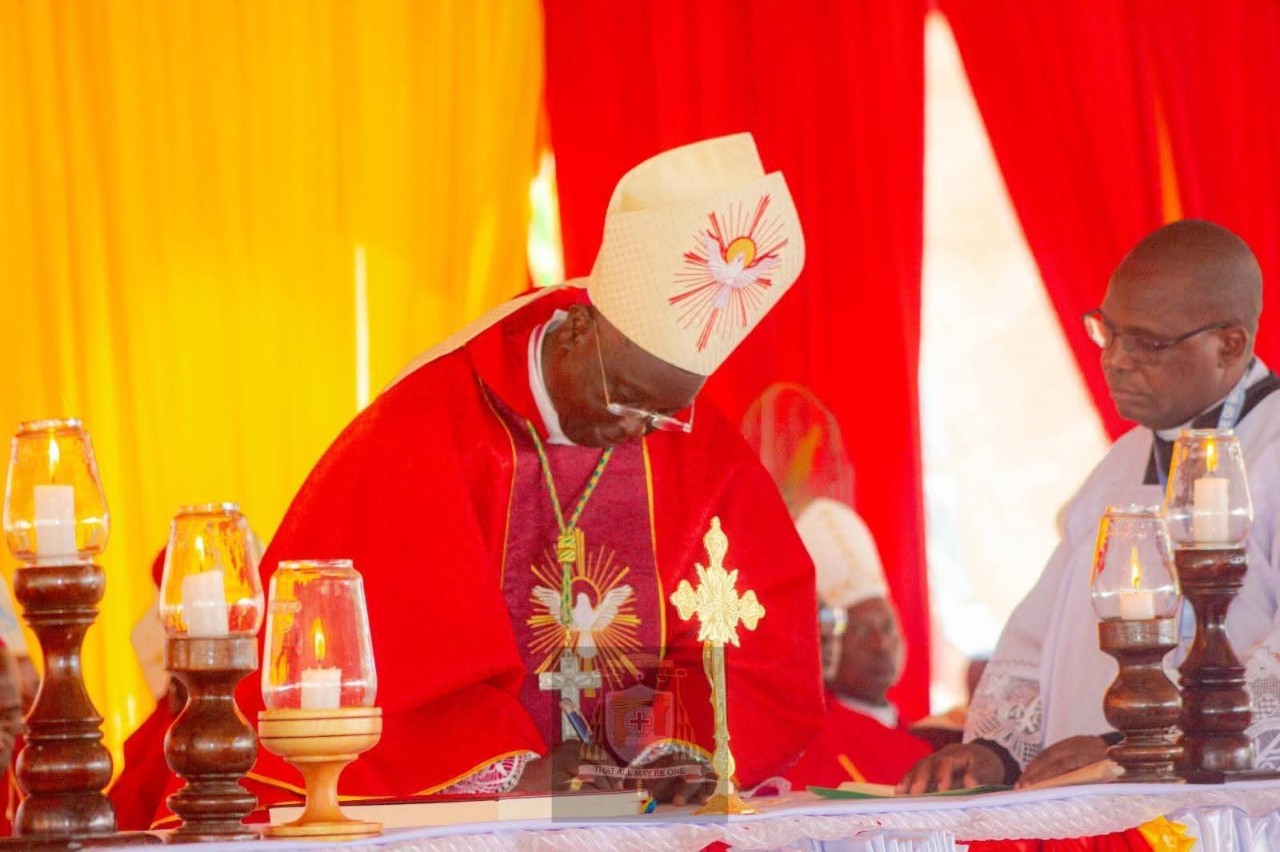
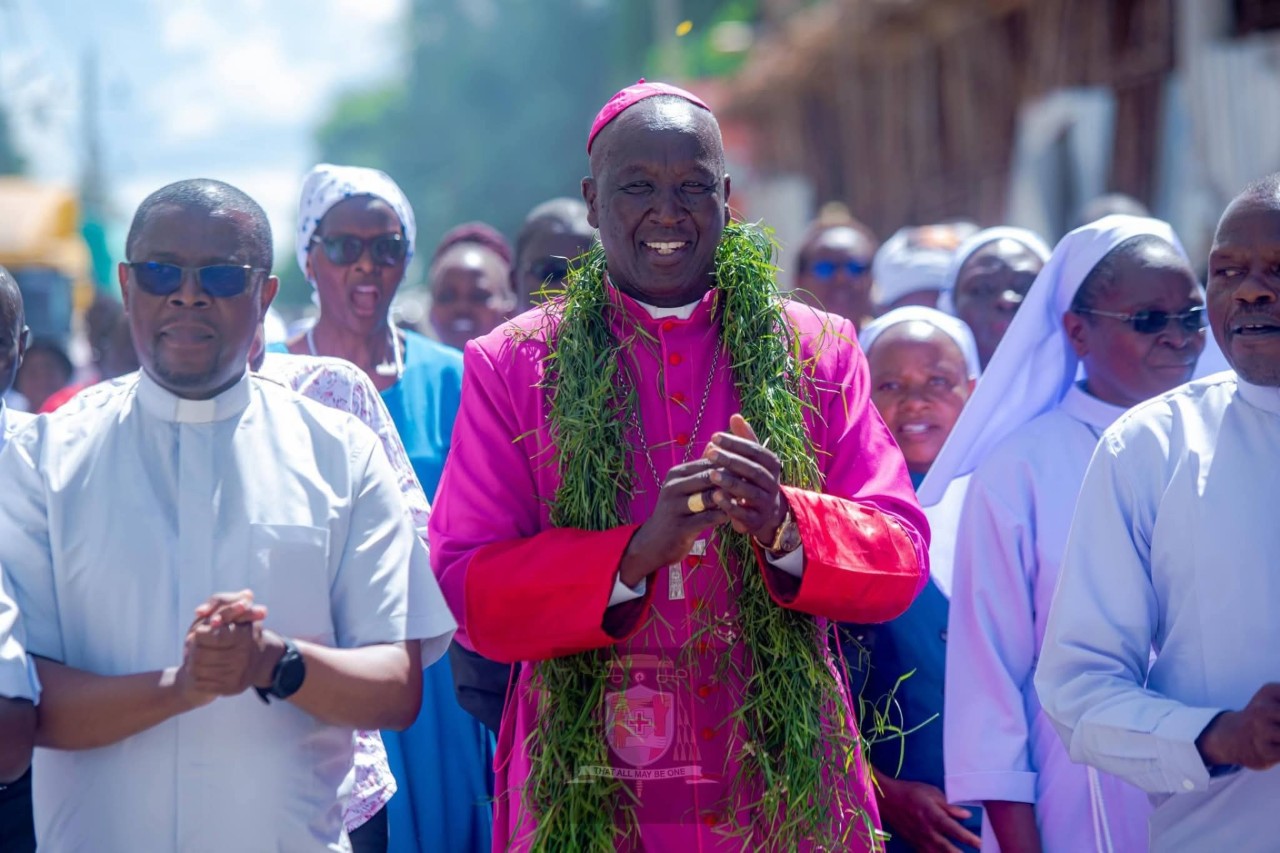
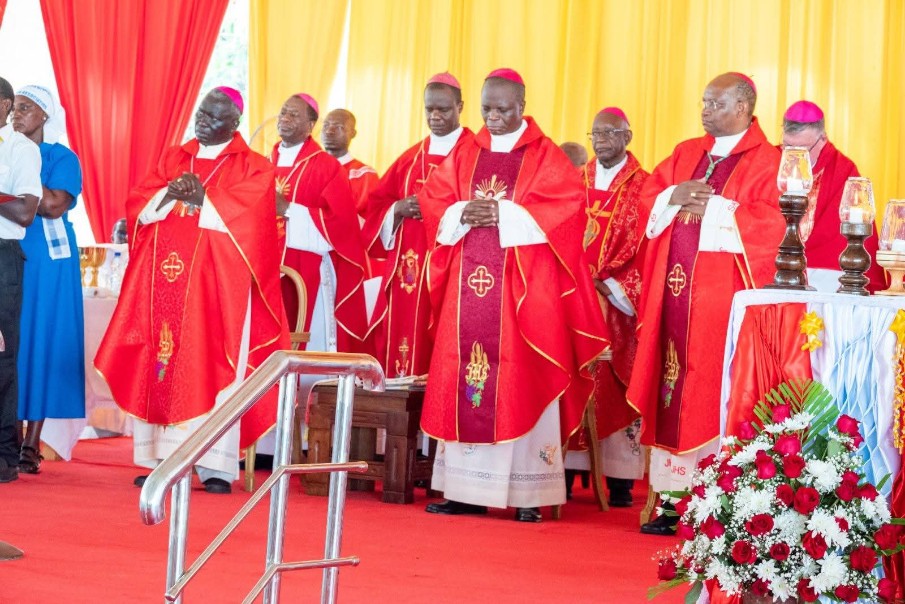
Two days after the Africa itinerary concluded (13–23 April 2026), the Archdiocese of Mombasa gathered on 25 April for the installation of Archbishop Dominic Kimengich as Coadjutor Archbishop. In his address, Archbishop Hubertus van Megen, Apostolic Nuncio, drew the assembly back to the wider horizon of the Pope’s visit: communion with Peter is never abstract, but becomes visible in local Churches as they receive new shepherds and renew their commitment to evangelisation.
Against the backdrop of renewed attention to Pope Leo XIV’s Afro-Creole ancestry, the Nuncio’s emphasis on “communion” took on a particular warmth: the universal Church is not a distant centre, but a family whose stories are intertwined. The Pope’s pastoral gestures during the tour—especially his embrace of a child and his veneration of Our Lady of Basilica—had already communicated that mission is defined by closeness, prayer, and service. In Mombasa, that same message was received and translated into local responsibility: to form a missionary Church, to protect the vulnerable, and to keep the peripheries at the centre of our pastoral planning.
For the Pontifical Mission Societies, this connection is decisive: the PMS help turn communion into mission by linking parishes and dioceses to the needs of young and struggling Churches, and by keeping the whole People of God attentive to the Gospel beyond familiar boundaries. In that light, the Mombasa celebration did not stand apart from the papal journey; it carried it forward, reminding the local Church that receiving a bishop also means embracing a mandate to evangelise, to share resources, and to stand with those at the edges.
Seen this way, the installation became more than an administrative milestone. It was a local echo of the Pope’s African pilgrimage: the same Church that walks the roads of Algiers, Bamenda, Luanda, and Malabo also gathers at the coast of Kenya to entrust a new chapter of leadership to God. Succession and continuity, then, are not ends in themselves; they are safeguards for mission—so that the Gospel continues to be proclaimed with credibility, in word and in works of mercy.
Africa’s Catholic Growth and Vocations Boom: A Moment of Missionary Maturity
The steadily expanding Catholic population in Africa, together with the continent’s remarkable growth in priestly and religious vocations, provides a compelling backdrop to the papal visit. Recent ecclesial statistics and reflections confirm what has long been visible on the ground: Africa is no longer simply a mission territory in the classical sense, but an increasingly vital source of missionary energy for the universal Church.
Across the continent, the number of Catholics continues to rise at a pace exceeding that of many other regions, in 2024 the African Catholics stood at 281 million Catholic and an addition of 14 New Dioceses.
At the same time, seminaries and houses of formation are full, and local churches are producing a growing share of the world’s seminarians and newly ordained priests. Vatican and independent Catholic reports alike note that Africa now accounts for a significant and growing proportion of global vocations—at a time when many historically Christian regions are experiencing vocational decline. This contrast has important ecclesiological implications.
Within this context, a papal visit is not merely an acknowledgment of numerical growth. It is an affirmation of Africa’s emerging role as a sending Church—one that both receives and gives. African priests, religious, and lay missionaries are increasingly serving in Europe, the Americas, and parts of Asia, often revitalising parishes and institutions that once sent missionaries to Africa themselves. This reversal of missionary flow points to a maturing ecclesial identity shaped by local faith expressions, theological reflection, and pastoral experience rooted in African cultures and challenges, rather than imported models alone.
Church leaders and theologians have stressed that this transition carries responsibilities as well as opportunities. The vitality of African Catholicism—marked by youthful demographics, strong communal life, and lived faith—must now be accompanied by deeper formation, sound theological grounding, and missionary collaboration marked by mutual respect rather than dependency. Recent reflections around papal visits to Africa emphasise that such moments invite the global Church to move toward more equal partnerships between churches of the Global South and North, recognising Africa not as a peripheral recipient of pastoral concern but as a co‑shaper of the Church’s future.
In this light, the papal visit becomes a symbolically rich encounter. It affirms Africa’s historical roots in Christianity, its present vitality, and its growing contribution to global evangelisation. It also offers a platform to highlight how African local churches are responding to contemporary realities—urbanisation, migration, social conflict, and economic inequality—while forming ministers capable of serving both locally and beyond the continent.
Ultimately, the growth of Catholicism and vocations in Africa reframes the narrative of mission in the 21st century. Mission today is increasingly “from everywhere to everywhere,” and Africa stands at the heart of this shift. The papal visit, therefore, is not simply pastoral encouragement; it is an ecclesial recognition that Africa has moved decisively from the margins to the centre of global Catholic mission—both as a bearer of faith and as a sender of missionaries to the world.